Climbing and Skiing Mount Elbrus
Climbing Europe’s highest mountain, Mount Elbrus (5,642 m), with skis – and why sheet ice above 5,000 m meant crampons for the way to the top.
By Dave Talbot · 3 min read
So we did it. We climbed and skied Mt Elbrus at 5642 meters high – the highest mountain in Europe. Unfortunately we didn’t get to ski off the summit due to poor snow conditions and by that I mean it was sheet ice above 5000 meters, so crampons were the way forward and therefore upwards.
Michael and myself are now fully in the zone with this whole big mountain ski stuff. Jedi nights in the waiting possibly?….possibly not!! But we had done a trip to Morocco in January and skied off Toubkal summit – the highest summit in northern Africa so we felt good about this trip.
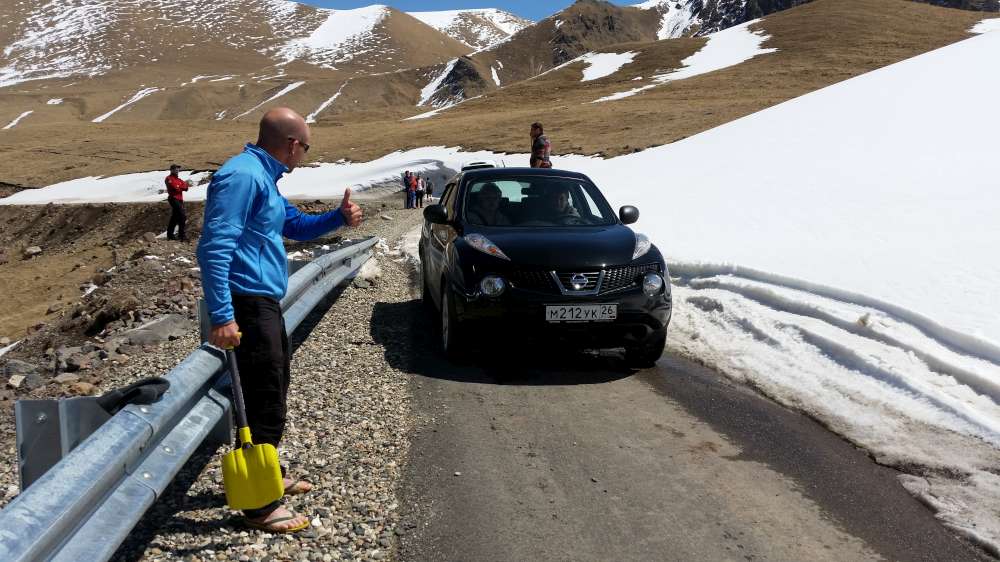
We had to dig the road out from snow in order to get our bus to the end of the road and start the walk in to base camp. The packs were heavy with mine weighing in at around 34 kilos with all the ski gear, boots and enough stuff for 12 days, the pace was slow. The walk was steady and with one dodgy bridge crossing the river we made into camp with plenty of time to spare.
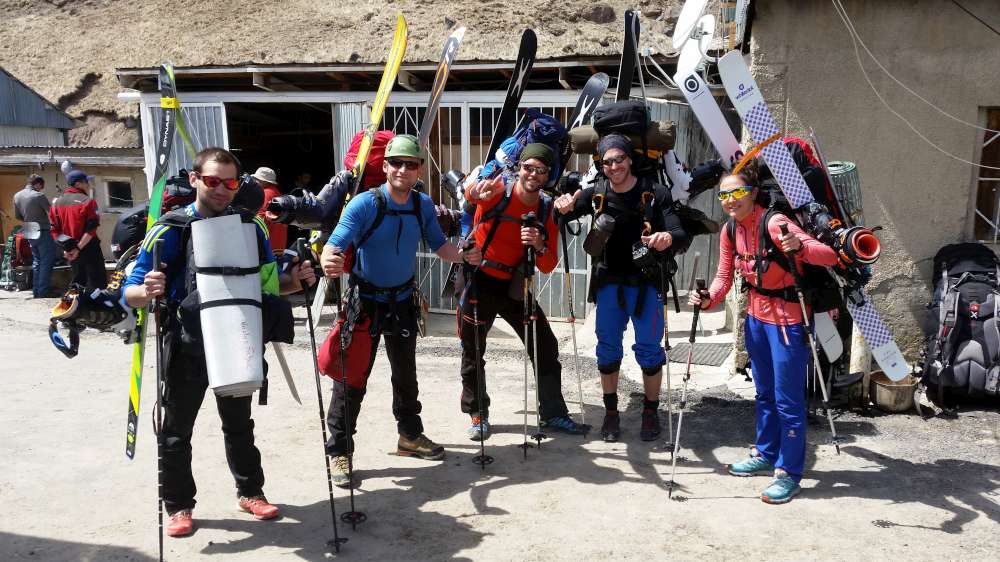
After a look around base camp we ditched our stuff and myself and Mike headed out with a rope to try and find some new rock to climb on get some first ascent action. We did two routes, no idea if they had been climbed before – probably not but it was fun all the same. The photo below shows the north face of Elbrus’s valley with huge amounts of rock route potential on the right side.
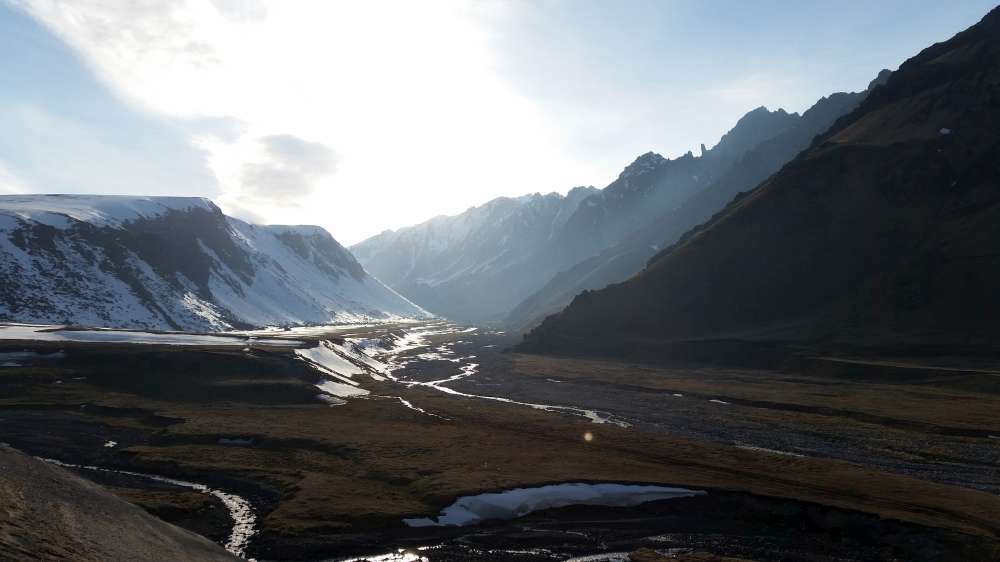
The next day it was the start of moving stuff up the mountain. Base Camp was at 2500 meters and high camp was at 3800 meters so we needed to ferry loads up to that point. As we were on skies we had on take a less direct route that would allow for steady height gain climbing from base camp to high camp in about 8 km.
From high camp we went up for an acclimatisation day to 4600 meters and back down on skies ready for the summit day. We had one rest day were we packed our stuff, sat around in the sun playing cards and eat food.
The next day we were up at 1 am and started our long route to the summit. It was really cold as we set off with tempertures around minus 20 and water freezing instantly as it hit your jacket or glove. As the sun came up above the clouds and mountains the views were spectacular and it was one of my best mornings in the mountains. There are so many peaks in that region and all look superb for a return visit.

It took a long time for us to work our way up to the col between the west and east peak and we arrived at around midday. The route up this point isn’t technical and with good snow conditions would make for a great ski descent but the wind had been really high on the previous days making the slopes icy and hard going. From the col it was the final steep slopes that lead up the plateau and the final few steeps to the summit
Elbrus at 5642 meters had been climbed and it felt great to be on top of Europe looking down. It wasn’t a stand on the summit and have a pic-nic moment as the weather was changing and we needed to get down so after a couple of minutes we headed off. Walking at first then picking up our skies and making a dash for high camp.

We had one night in high camp and then a very heavy ski down to base camp, followed by another night there before walking off the next and heading to Moscow for a night out and fly home.
The route up the North Face of Elbrus is long and remote with no lifts, people or infrastructure to support you. It’s beauty comes from its remoteness and wild feel and if your looking for this then its perfect. The south side route has lifts, beer, skiing and more of an easy life to the summit – its up to you.
Guided Adventures Abroad
Guided treks and climbs in the Alps, Africa and beyond, planned around your group.


Dave Talbot
Dave is a Mountaineering and Climbing Instructor and the founder of Dave Talbot – Adventure Events. Since starting in the outdoor industry in 2002 he has led expeditions from Morocco to the Himalaya, run charity events that have helped raise more than £8.4 million, and climbed new routes on camera for the BBC’s Coast series.
More From the Blog
Via Ferrata: An Introduction to Europe’s Iron Paths
15 October 2018
Ailefroide Alpine Climbing in the Écrins
18 August 2014
An Alpine Adventure Around the Alps
24 June 2011
See all our news and articles.
Plan Your Next Adventure
Tell us what you have in mind – a challenge, a course, an expedition or an event – and we’ll come back with ideas and a quote.